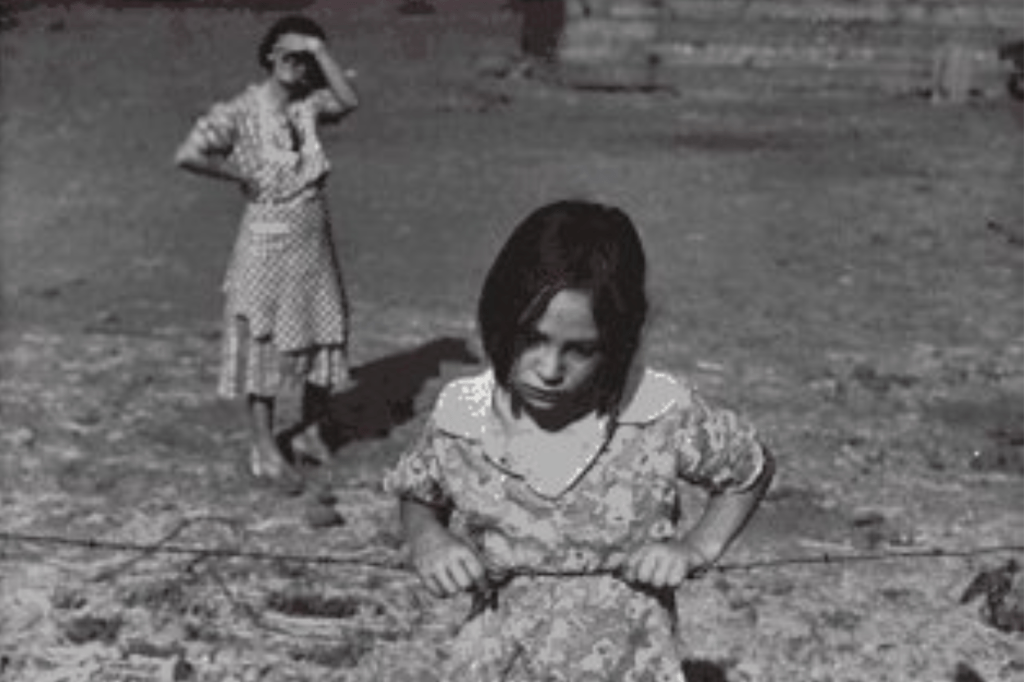
“It’s tempting to read this book and many of Allison’s stories as a form of autofiction, but she tried to dissuade the reader from making that mistake. Sure, she shared the poverty and was close to the region, but Bone was very different from a young Dorothy, the author explained. In an author’s note in the 20th anniversary edition I listened to (not present in my original copy), she explained this in her defense of the book as it was being banned in school libraries. Allison reflected on her desire to make readers “uncomfortable” by showing the reality of class, racism, and poverty in the South, arguing that “all you really have to do is tell the truth, and it will disturb and upset people.” It worked. It continues to work. It may seem like historical fiction now to contemporary readers—no internet, no mobile devices, no way to connect to anyone outside of your insulated community—but if anything I think it should be read by queer people—lesbian, gay, bisexual, trans or nonbinary—as a tale of our forebears.” – Jerry Portwood
 TROY FORD
Leave a comment